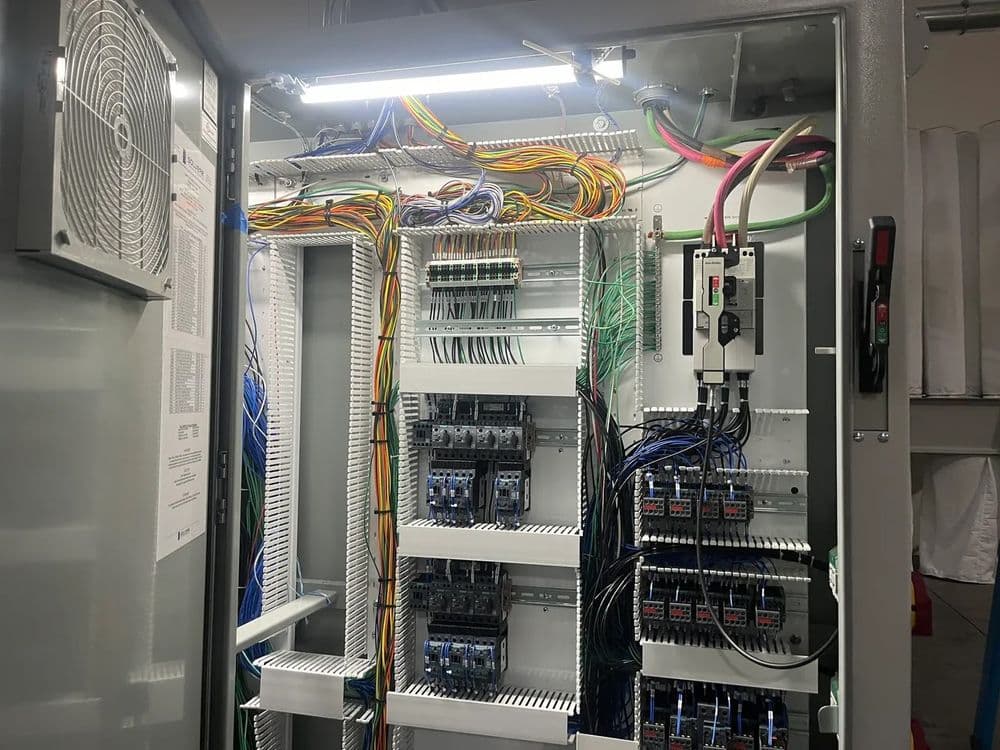
Safe Overload Protection
We help prevent overheating, system failures, and electrical safety risks caused by excess demand.
Overload
When your electrical system is asked to carry more power than it was built for, trouble can start fast. Overloaded circuits can cause breakers to trip, wires to overheat, lights to flicker, equipment to fail, and in some cases create a real fire hazard. At Solid Ground Electric, we help homeowners and business owners in Auburn and surrounding areas find overload problems early and fix them the right way.
Our overload service is designed to protect your electrical system from excess demand and unsafe heat buildup. We start by looking at the warning signs, such as frequently tripped breakers, warm outlets, buzzing panels, dimming lights, burning smells, or circuits that struggle when multiple appliances are running. These issues often point to undersized circuits, aging panels, poor load distribution, or equipment that has outgrown the original electrical design.
We inspect the affected circuits, electrical panel, breakers, wiring, and connected loads to identify where the strain is happening. From there, we explain what is causing the overload and recommend a clear solution. Depending on the system, that may include redistributing electrical loads, replacing worn breakers, adding dedicated circuits, upgrading wiring, or recommending a panel upgrade when the service capacity is no longer enough for the property’s needs.
This service is important for both homes and commercial spaces. In houses, overload issues often show up in kitchens, garages, laundry rooms, workshops, and rooms with space heaters or window AC units. In commercial buildings, overload can happen when equipment, lighting, refrigeration, office devices, or specialty systems are added over time without updating the power distribution. We work on everything from basic service corrections to more advanced electrical improvements for larger systems.
Our goal is simple: make your system safer, more reliable, and better prepared for daily use. We bring hands-on experience, careful troubleshooting, and a strong commitment to quality workmanship on every job. If your breakers keep tripping or your system seems to be working too hard, we can help you get ahead of a bigger and more expensive problem. Contact Solid Ground Electric to schedule an overload inspection and get a safer, more dependable electrical system.
Our Overload Protection Process
We take a practical, safety-first approach to finding overload risks, fixing the cause, and making sure your electrical system can handle real-world demand with confidence.
Load Review & On-Site Assessment
We start by asking about tripped breakers, hot panels, dimming lights, or equipment strain, then perform an on-site load assessment. Our electricians inspect circuits, breaker sizing, panel capacity, and connected demand to pinpoint where overload conditions are developing and what is putting your system at risk.
Targeted Correction & System Balancing
Once we find the source, we explain the fix in plain language and complete the right solution, such as redistributing loads, repairing damaged components, upgrading breakers, or recommending a panel upgrade if needed. We focus on safe code-aligned work that protects wiring, equipment, and daily operations.
Final Testing & Customer Walkthrough
After repairs or upgrades are complete, we test the system under normal operating demand to confirm stable performance and reduced overload risk. We finish with a clear walkthrough of the work, answer your questions, and stand behind the job to ensure you feel confident in the safety and reliability of your electrical system.
Overload Protection FAQs
Common questions about electrical overloads, warning signs, repairs, and how we help keep your Auburn-area home or business safe.
- What is an electrical overload?
An electrical overload happens when a circuit draws more power than it is built to handle. That extra demand can heat up wires, trip breakers, damage equipment, and create a fire risk. We find the cause and make safe, code-based recommendations to protect your system.
- What are the signs of an overloaded circuit?
Common warning signs include breakers that trip often, lights that dim when appliances start, warm outlets or switches, buzzing sounds, and burning smells. If you notice any of these, do not ignore them. We can inspect the circuit and fix the problem before it gets worse.
- Is a tripped breaker always caused by an overload?
Not always. A tripped breaker can also point to a short circuit, ground fault, bad breaker, or wiring issue. That is why proper testing matters. Our licensed electricians troubleshoot the full system so you get the right repair, not a guess.
- Can overloaded circuits damage my appliances or electronics?
Yes, they can. Too much demand on a circuit can lead to heat, unstable power, and repeated breaker trips that put stress on appliances, devices, and sensitive electronics. We help prevent that damage by correcting the load issue and improving the safety of the circuit.
- How do you fix an overload problem?
The right fix depends on what we find. We may rebalance loads, add a dedicated circuit, replace worn devices, repair damaged wiring, or recommend a panel upgrade if your system is undersized. We explain your options clearly so you can make a confident decision.
- Why should I call Solid Ground Electric for overload issues?
We serve Auburn and nearby South King County and Pierce County communities with trusted electrical work for homes and businesses. Our team handles everything from repairs to panel upgrades, and we stand behind our workmanship. If your system shows overload signs, contact us to schedule service.
Why homeowners trust Solid Ground Electric
See what local customers notice most—safe work, clear answers, and jobs done right.

"Solid ground electric was great! I had a problem with my breaker that was heating up my water heater and he came by within an hour after contacting them. The problem was fixed in no time and he even took a look at my water heater to make sure that wasn’t the issue. Second time using Solid Ground and they will be my go to! Highly recommend."
"My water heater stopped working, I called two other companies I have used in the past 2 years. One of them came out and looked at the water heater, and said that they couldn't fix it until the electrical was fixed. Then they gave me an estimate of $4000. Then I called another company I used too use and their rates went up, they now charge $225 an hour with a minimum of two hours. Which means you're actually paying two hours even if it's only an hour of work. So I looked online and found Solid Ground Electric in Auburn. Matthew answered the phone, he came the same day too look at it. He looked at the water heater and the wires, and said it'll be about $500, which is very honest and reasonable. So he came out the next day too fix it and it wasn't the water heater at all, it was only the wiring and a bad connection. The other company wanted to fully replace my water heater, without even looking at it too see what the problem was and they wanted $4000. Matthew was very prompt and polite and honest. He fixed it the next day and he only charged me $554. I choose to give him an extra $50 for being so honest. Call Matthew if you want honesty and integrity, and good work done."
"Very reasonable rates and Matt is honest to a fault. I did not feel like I was being extorted for the work being done and he found ways to get the work done without adding on extra or unnecessary work that typically bigger companies do to make bank off of people. He also took the time to explain things when I asked questions and he seems to enjoy sharing knowledge of his profession! - Joshua Brisco"
"Matt communicated clearly, showed up on time and installed 5 ceiling light fixtures in approximately 2 hours with his colleague, Jeremy. I will use them again in the future for any electrical needs."
"We can’t recommend Matt with Solid Ground Electric enough. He has been our go-to electrician at Orting Manor, and every experience working with him has been exceptional. Matt is incredibly reliable, responsive, and detail-oriented. Whether it’s troubleshooting an issue quickly or helping us plan and execute electrical improvements for the venue, he consistently delivers high-quality work. As a wedding and event venue, having someone we can trust to keep everything running safely and smoothly is absolutely essential, and Matt gives us that peace of mind every time. Beyond his skill, he’s just a great person to work with, professional, honest, and truly invested in doing the job right. We’re so grateful to have him as part of our trusted vendor team and would highly recommend him to anyone in need of electrical work."
"Matt with solid ground electric great to work with. Very satisfied."
"Matt and his team are awesome. Always fair, quick and super friendly!"
"Matt with Solid Ground Electric is the best! We have worked with him on several occasions. He took on a job that another electrician had botched, fixed it, and made a few suggestions to improve it and save us some money. He's easy to work with and very trustworthy. Highly, highly recommend!"
"I selected Matt's team at Solid Ground Electric to install a level 2 EV charger in our garage. Matt's team offered a very reasonable quote, arrived on time, and did a great job installing. Matt also did an exceptional job with communicating to ensure I received a rebate via Seattle City Light for the installation. I was very pleased with the overall experience and will plan to work with Solid Ground Electric for future electric needs. A+, 10/10, 2 thumbs up!!"
"On time, quality work, timely install, communication on point, and fair pricing"
"I have called on Solid Ground Electric a few times. Every time they have come through. From service to installation. They are well trained and able to explain in understandable terms answers to your questions. Also great job wiring my security system. Thank you Matt."
"If I need an electrician, I'm calling Matt Small of Solid Ground Electric. He installed my level II EV charger. He had competitive prices and I know this important-for-safety job was done right because he's an IBEW electrician. He aims to please--he listens, he's on time, trustworthy and pleasant. He installed my charger and I'd trust him with any electrical application."
"Great service expert knowledge absolutely professional."
"I had a great experience with Solid Ground Electt. I would definitely recommend them, If you have need of electrical work."
"Outstanding experience with Matt on the repair and replacement of exhaust fan and heater in an older home - responsive, dependable, reasonable, good advice, thorough, neat, quick, personable, and clear communication as to cost without red tape, exclusions and extras. A+"
"They were prompt and courteous. They identified the issue and made the repairs. We have used them a couple times for our commercial property and have been pleased with the results."
"Used Solid Ground Electrical many times and have had great service and communication throughout the process."
"I've worked with Matt and his team at Solid Ground Electric a few times over the past 2 years. They have always been great to work with. Very clear communication before, during and after a project has been completed. I would highly recommend Solid Ground Electric and will not hesitate to use them for any upcoming projects we have. Great Company!"
"Matt and his team at Solid Ground Electric have been wonderful to work with. They met critical deadlines and worked with us in a tough scheduling environment. Their work was done professionally and with great care. We will not hesitate to work with Solid Ground again."
"Matt with Solid Ground Electric is the best! We have worked with him on several occasions, and he even took on a botched job from another electrician, not only fixing it but also making a few suggestions to improve it. Highly, highly recommended!"
"I chose Solid Ground Electric because my son, who is in the trades, recommended them. Matt helped me choose a level 2 car charger and installed it. He did a beautiful job and I absolutely trust his skill and knowledge. I'm happy to give solid Ground Electric a five star review."
"I had the pleasure of working with Solid Ground Electric. They produced a high-quality product in a very professional manner. I was especially impressed with the security and special wiring tasks that were completed with care. Thank you Matt."
"Matt and his team are amazing. Jobs small and large he has got you covered."
Protect your home or business from overheating, outages, and damage with trusted expert service.